Efficient Mobility Solutions: The Role of Wheelchair Lifts in Modern Infrastructure
Accessibility is an essential aspect of modern infrastructure, ensuring that individuals with mobility challenges can navigate spaces independently and comfortably. One of the most impactful innovations in this field is the wheelchair lift, a device designed to bridge vertical gaps and allow easy access between different floor levels. These lifts are commonly used in residential buildings, offices, hospitals, shopping complexes, and public transportation facilities, making them a vital component of inclusive design.
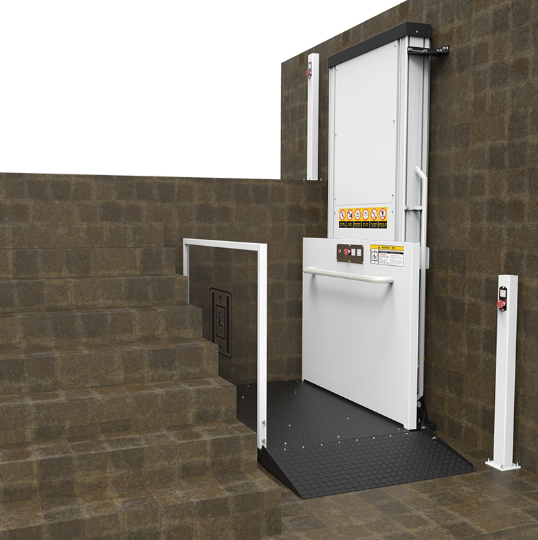
Wheelchair lifts work on simple yet effective mechanisms, providing smooth vertical movement without the need for extensive structural modifications. They can be installed indoors or outdoors, with options ranging from vertical platform lifts to inclined stair lifts. The installation of such lifts not only enhances accessibility but also promotes dignity and independence for users, eliminating reliance on others for mobility between levels.
Beyond personal mobility, these lifts share technological similarities with equipment like the warehouse cargo lift, which also focuses on safely moving heavy loads between floors. While the purposes differ—one catering to accessibility needs and the other to material handling—both emphasize safety, efficiency, and reliability in vertical transportation.
Modern wheelchair lifts come with advanced safety features such as anti-slip platforms, backup power systems, and emergency stop buttons. Many models are designed with compact footprints, making them suitable for retrofitting into existing buildings without major renovations. Additionally, their operation is user-friendly, requiring minimal physical effort, which is particularly beneficial for elderly or physically challenged individuals.
Another advantage of wheelchair lifts is their compliance with accessibility regulations and building codes, helping organizations meet legal requirements for inclusivity. For public spaces, investing in such equipment not only improves accessibility but also reflects a commitment to social responsibility and customer care.
The market offers a variety of designs, including hydraulic, screw-drive, and electric models, each with unique benefits. Hydraulic lifts, for instance, provide smooth movement and high load capacity, while electric models are often more energy-efficient. Selection depends on the intended environment, available space, and specific mobility needs of the user.
With the growing focus on universal design, wheelchair lifts have become more aesthetically appealing as well, blending seamlessly with building interiors and exteriors. Many manufacturers now offer customization options, allowing clients to choose colors, finishes, and platform sizes to match architectural styles.
For More Info:-
.jpg)


Comments
Post a Comment